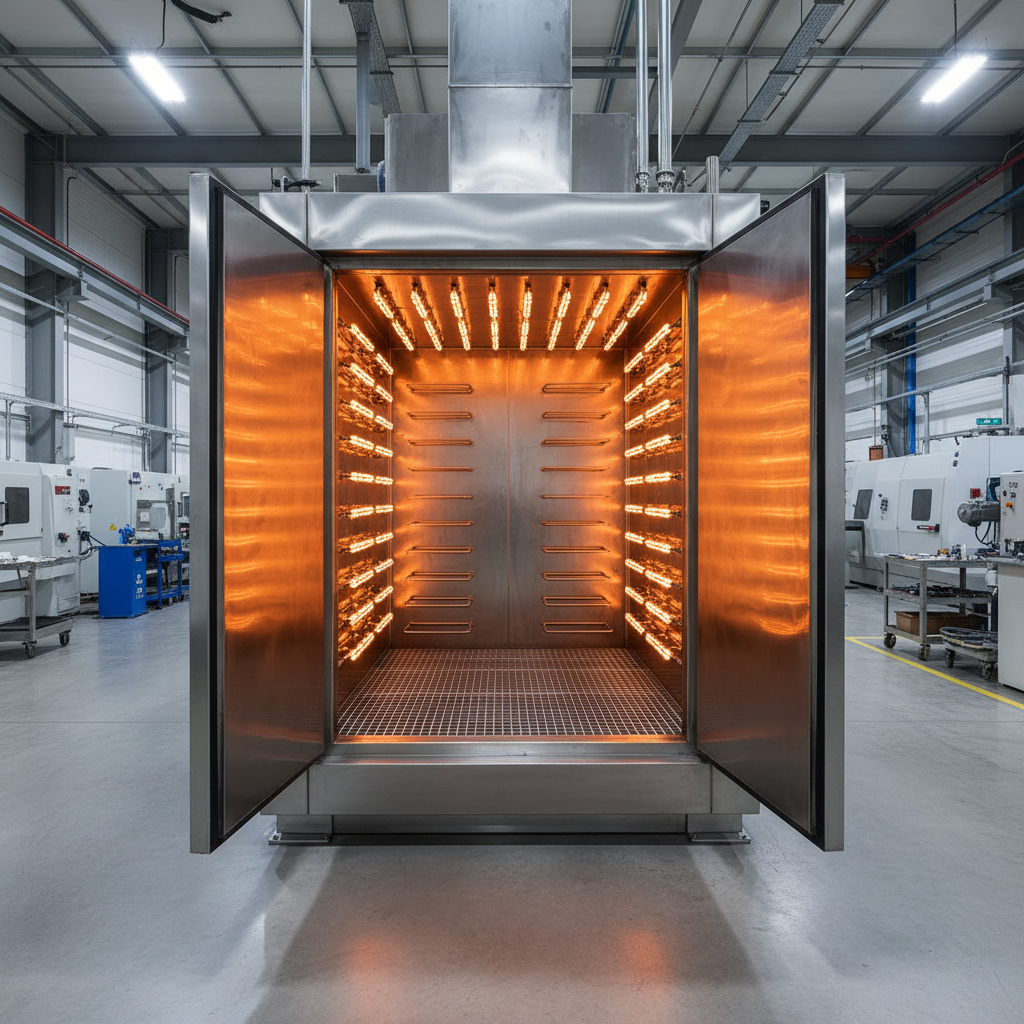
Walk-In Ovens for Industrial Manufacturing
High-performance batch ovens for curing, drying, heat treating, and powder coating. Engineered for uniform temperature distribution, energy efficiency, and the demanding requirements of aerospace, automotive, composites, and electronics manufacturing.
170+
Monthly Searches
$3.14
Avg. Cost Per Click
150-1200°F
Temperature Range
6+
Industries Served
What Are Walk-In Ovens?
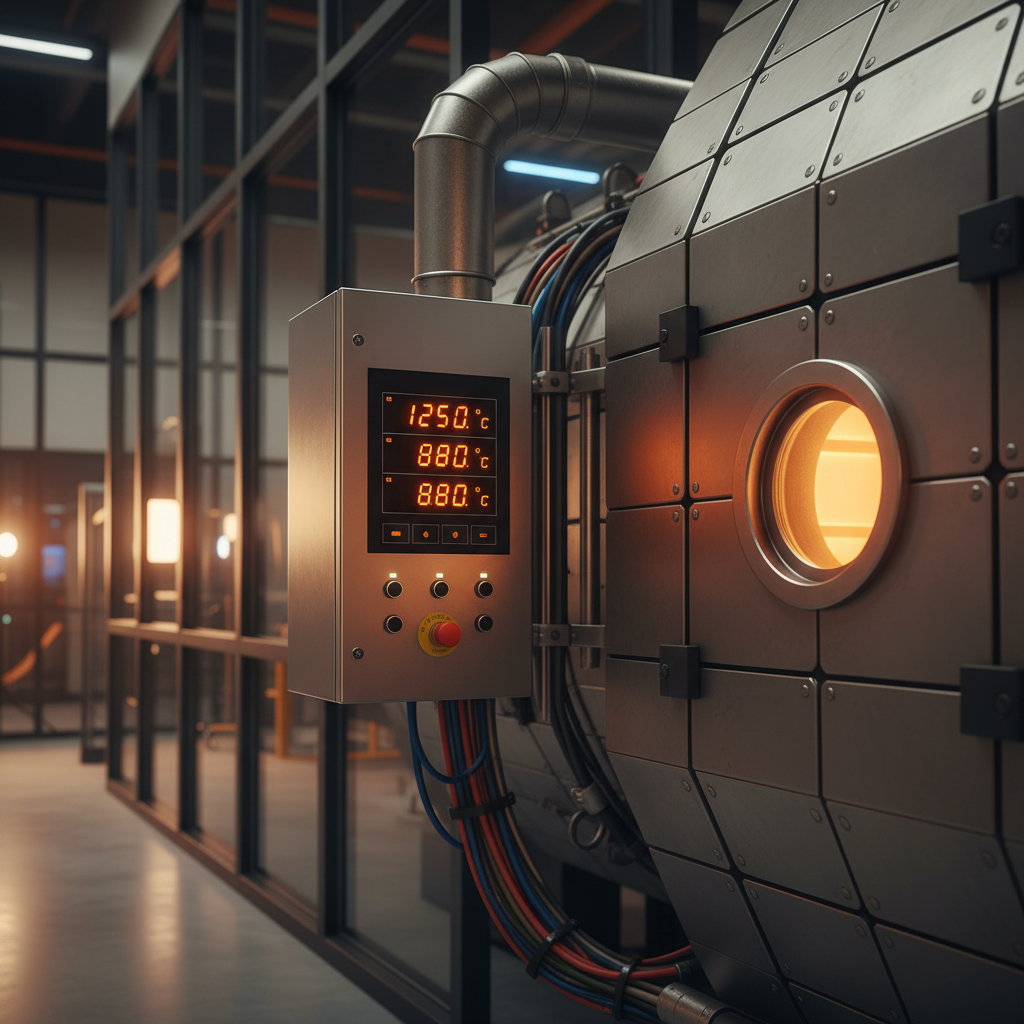
Walk-in ovens are large-scale industrial heating chambers designed for batch thermal processing of parts, materials, and assemblies. Their defining characteristic is size: the oven chamber is large enough for operators to walk inside during loading, unloading, and maintenance.
These ovens are the workhorses of industrial manufacturing. They handle everything from curing powder coatings on metal parts to heat treating aerospace components to drying moisture from electronic assemblies. Unlike continuous conveyor ovens that process parts in a steady stream, walk-in ovens process entire batches at once, making them ideal for operations with varied part sizes, lower volumes, or strict thermal profile requirements.
Standard walk-in ovens range from 4 feet wide by 4 feet deep by 6 feet tall up to 20 feet wide by 30 feet deep by 12 feet tall or larger. Custom dimensions are common. Heating is provided by natural gas, propane, or electric elements, with recirculating fan systems that maintain temperature uniformity within tight tolerances across the entire workspace.
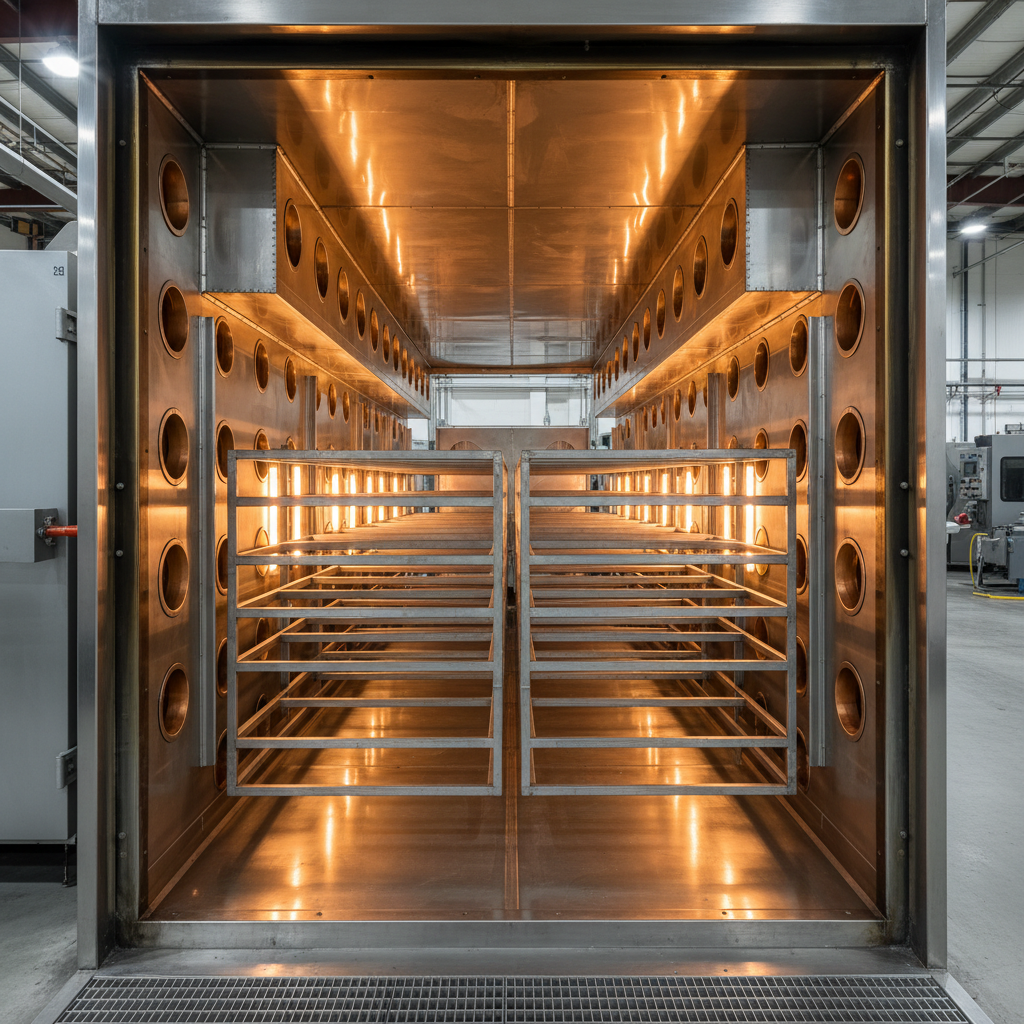
Types of Walk-In Ovens
Each walk-in oven type is engineered for specific thermal processing applications. Select the right configuration for your manufacturing requirements.
Batch Curing Ovens
Designed for curing coatings, adhesives, and finishes at controlled temperatures. Ideal for powder coating, paint curing, and epoxy processing with precise temperature uniformity across the entire chamber.
Industrial Drying Ovens
Engineered for moisture removal from parts, materials, and assemblies. Walk-in drying ovens handle everything from pre-treatment drying to post-wash dehydration with high-volume airflow systems.
Aging Ovens
Used for artificial aging and stress relief of aluminum alloys, castings, and other metals. Provides the stable, long-duration heat cycles required for precipitation hardening and material stabilization.
Heat Treating Ovens
Built for thermal processing of metals and alloys. Walk-in heat treating ovens support annealing, tempering, stress relieving, and normalization with tight temperature tolerances across large workloads.
Composite Curing Ovens
Specialized for curing carbon fiber, fiberglass, and advanced composite materials. These ovens provide the precise ramp rates, soak times, and temperature uniformity demanded by aerospace and defense specifications.
Powder Coating Ovens
Optimized for the curing stage of powder coating processes. Walk-in powder coating ovens deliver rapid heat-up, uniform temperature distribution, and energy-efficient operation for high-throughput finishing lines.
Temperature Ranges & Capabilities
Walk-in ovens are classified by their maximum operating temperature. The right temperature range depends on your thermal processing application.
150°F - 300°F
65°C - 150°C
- ●Moisture removal and drying
- ●Pre-heating before coating
- ●Electronics burn-in testing
- ●Post-wash dehydration
300°F - 600°F
150°C - 315°C
- ●Powder coating cure (375-400°F)
- ●Adhesive and coating cure
- ●Aluminum aging (300-400°F)
- ●Composite curing
600°F - 1200°F
315°C - 650°C
- ●Stress relieving metals
- ●Annealing and tempering
- ●High-temp composite processing
- ●Depyrogenation (pharma)
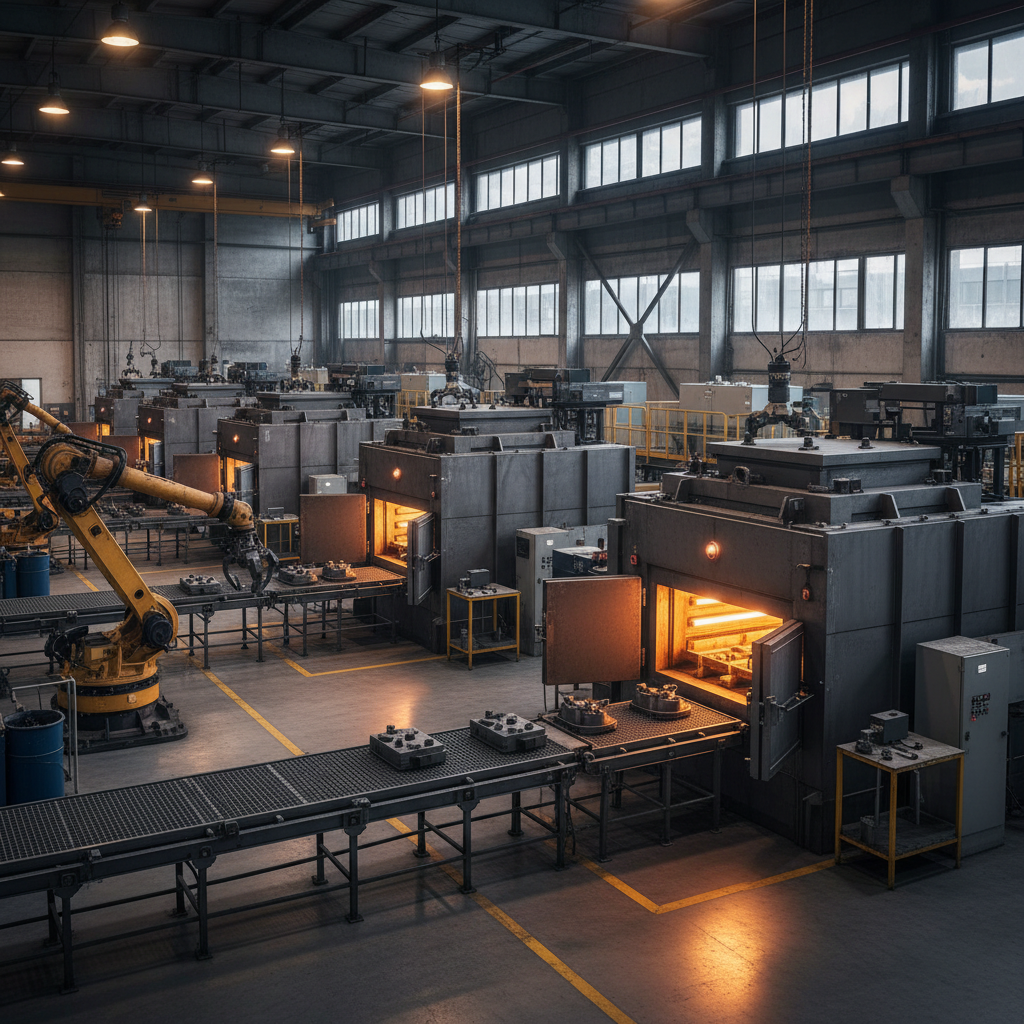
Walk-in ovens are the backbone of industrial thermal processing, handling everything from powder coat finishing to aerospace composite curing.
Industries Served
Walk-in ovens serve a wide range of manufacturing industries, each with unique thermal processing requirements, certifications, and specifications.
Aerospace
Composite curing, heat treating of turbine components, and aging of aluminum alloys for airframe structures. Walk-in ovens meeting NADCAP and AMS 2750 specifications.
Automotive
Powder coating of chassis components, curing of body panels, and heat treatment of drivetrain parts. High-throughput batch processing for production and aftermarket operations.
Composites
Curing carbon fiber, fiberglass, and thermoset composites for marine, wind energy, sporting goods, and industrial applications. Precise ramp/soak profiles for optimal laminate properties.
Electronics
PCB baking, conformal coating cure, and component burn-in testing. Cleanroom-compatible walk-in ovens with precise temperature control and low particulate airflow.
Powder Coating
Dedicated cure ovens for electrostatic powder coating operations. Walk-in configurations accommodate large parts, racks of small parts, and complete assemblies in a single batch.
Pharmaceutical
Depyrogenation, sterilization, and controlled drying of pharmaceutical equipment and packaging. Walk-in ovens with validated temperature uniformity and full documentation packages.
Key Features & Advantages
Modern walk-in ovens combine precision engineering with practical features that improve quality, throughput, and operating costs.
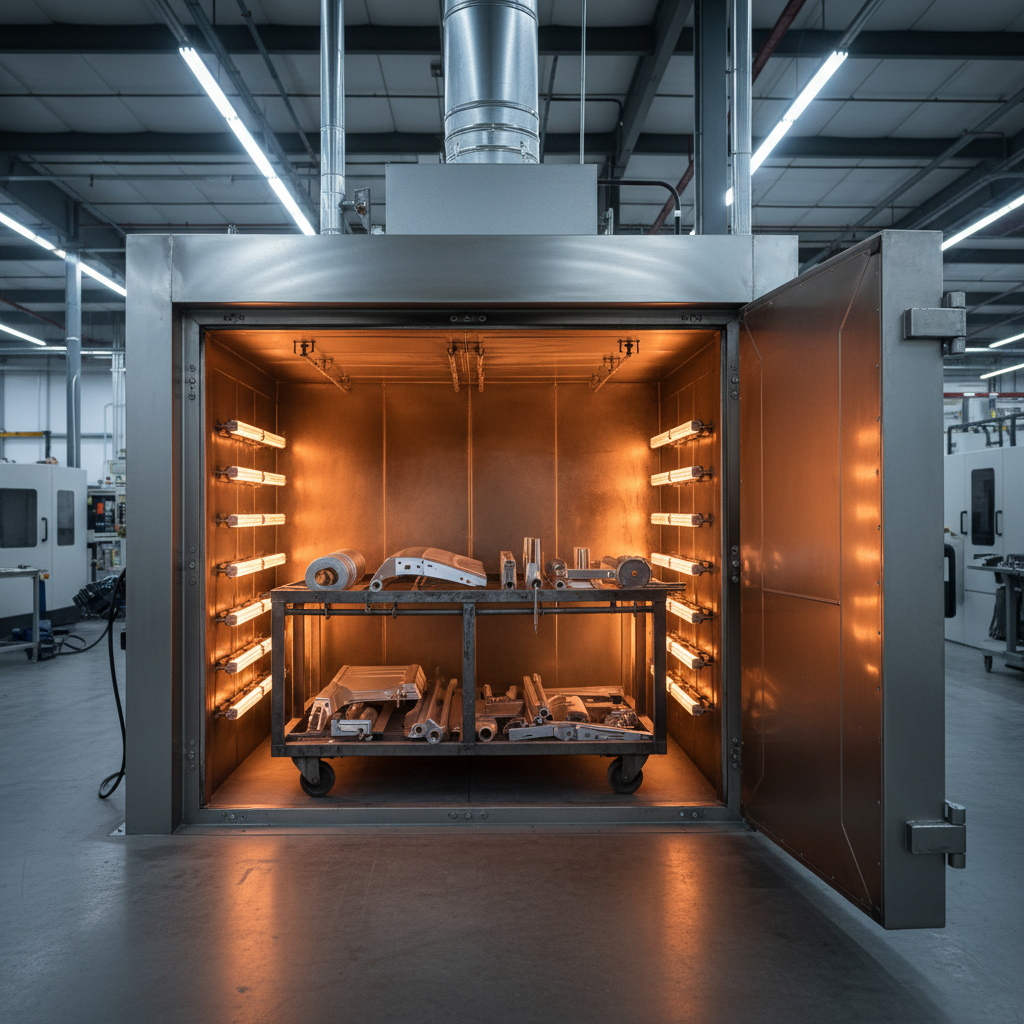
Uniform Heat Distribution
Engineered airflow systems with strategically placed ducts and baffles ensure temperature uniformity of plus or minus 5 degrees Fahrenheit throughout the entire chamber. No hot spots, no cold spots, consistent results on every part.
Programmable Controls
Advanced PLC or microprocessor-based controllers with multi-segment ramp/soak programming, data logging, and remote monitoring capability. Set complex thermal profiles with precision timing for repeatable batch processing.
Large Capacity
Walk-in ovens are built to handle oversized parts, heavy assemblies, and high-volume batch loads that smaller benchtop or cabinet ovens cannot accommodate. Standard sizes range from 4 feet wide to 20 feet wide, with custom dimensions available.
Energy Efficiency
Heavy-duty insulation (4 to 8 inches of mineral wool or ceramic fiber), tight door seals, and high-efficiency burners or heating elements minimize energy consumption. Many models offer energy savings of 20 to 40 percent versus older designs.
Safety Systems
Integrated safety features including high-limit controllers, exhaust ventilation for solvent fumes, explosion relief panels, door interlocks, and over-temperature alarms. Meets NFPA 86 standards for industrial ovens and furnaces.
Custom Configurations
Every manufacturing operation is different. Walk-in ovens can be configured with cart-in loading, overhead monorail systems, adjustable racking, pass-through doors, inert atmosphere capability, and Class A surface finish requirements.
From Specification to Installation
Getting the right walk-in oven for your operation starts with understanding your process requirements.
Define Requirements
Temperature range, chamber size, airflow needs, production volume, industry certifications, and heating method (gas or electric).
Engineering Review
Oven manufacturers evaluate your specifications and recommend a configuration including controls, safety systems, and loading method.
Build & Test
Factory fabrication with quality checks at each stage. Temperature uniformity surveys, control system verification, and safety testing before shipment.
Install & Commission
On-site installation, utility connections, final calibration, operator training, and documentation delivery. Ready for production.
Frequently Asked Questions
Common questions about industrial walk-in ovens, specifications, and purchasing.
What is a walk-in oven and how does it differ from a cabinet oven?
What temperature ranges do walk-in ovens typically operate at?
How is temperature uniformity maintained in a large walk-in oven?
What heating methods are used in walk-in industrial ovens?
What safety standards apply to walk-in industrial ovens?
How much does an industrial walk-in oven cost?
What are typical lead times for custom walk-in ovens?
Can walk-in ovens be used for powder coating?
Request a Quote
Tell us about your thermal processing requirements and we will connect you with qualified walk-in oven manufacturers. Whether you need a standard configuration or a fully custom system, the right manufacturer can help.
Fast Response
Expect a detailed response within one business day with specifications and pricing guidance.
No Obligation
Free consultation and quote. No pressure, no commitment.
Nationwide Service
Serving manufacturers across the United States with delivery and installation support.
Find the Right Walk-In Oven for Your Operation
Whether you need a standard batch oven or a fully custom thermal processing system, start with a conversation about your requirements.
Get Started Today